How To Reduce Drunk Driving: Real Steps That Save Lives

If you’re searching for how to reduce drunk driving, you’re already taking an important first step. Drunk driving continues to devastate families and communities across the country, leading to preventable injuries, fatal crashes, and heartbreaking drunk driving deaths each year. Understanding how to reduce drunk driving isn’t just about laws—it’s about personal responsibility, planning ahead, and knowing when someone needs real help.
At Intervention Help, we believe that preventing drunk driving starts long before someone gets behind the wheel. It begins with awareness, accountability, and, when necessary, professional intervention.
The Reality of Drunk Driving
Drunk driving—also called impaired driving—happens when someone chooses to drink alcohol and operate a vehicle. Even small amounts of alcohol can impair reaction time, judgment, and coordination. Once a person’s blood alcohol concentration rises above the legal limit, they are considered legally impaired. But impairment can begin well before that limit is reached.
According to the National Highway Traffic Safety Administration and the Highway Traffic Safety Administration, alcohol-related crashes remain a leading cause of preventable death in the United States. These aren’t just statistics. They are parents, teenagers, coworkers, and friends whose lives were cut short because an impaired driver thought they were “okay to drive.”
How To Reduce Drunk Driving: Practical Prevention Strategies
If you’re asking how to reduce drunk driving, the answer involves both personal choices and community-wide strategies.
1. Plan Ahead Every Time You Drink
One of the most effective ways to prevent drunk driving is to plan ahead. Before you drink alcohol, decide how you’re getting home. Arrange a rideshare, call a taxi, or assign a designated driver. A true designated driver is someone who commits to not drinking at all. Having a reliable sober driver can make all the difference.
Planning ahead removes the temptation to make a poor decision after alcohol lowers inhibitions.
2. Understand the Consequences
Driving under the influence can lead to severe legal and personal consequences, including license suspension, heavy fines, jail time, and the requirement to install an ignition interlock device. An ignition interlock device requires a breath sample before a car will start, and it can detect alcohol on a driver’s breath.
Beyond legal penalties, the emotional consequences of being responsible for drunk driving deaths or serious injury can last a lifetime.
3. Intervene When You See the Signs
If someone you care about consistently drinks and drives, the risk increases. A repeat drunk driver may show signs of escalating impaired driving, denial, or minimizing their behavior. If you notice a loved one frequently chooses to drink alcohol and drive—or mixes alcohol with illegal drugs—this is more than a bad habit. It may indicate a deeper issue with alcohol use.
4. Encourage Safe Habits
Wearing a seat belt does not prevent a crash, but it significantly reduces the severity of injuries in accidents caused by a drunk driver. Public awareness campaigns by the National Highway Traffic Safety agencies stress the importance of buckling up and refusing to ride with an impaired driver.
Additionally, remind young drivers about the minimum legal drinking age and the risks associated with early alcohol use.
How To Stop Drunk Driving When It’s a Pattern
If you’re wondering how to stop drunk driving when someone repeatedly makes dangerous choices, prevention strategies alone may not be enough. When a person continues to drink alcohol and drive despite warnings, arrests, or close calls, it may signal a problem with alcohol misuse or dependency.
In some cases, people only begin to change after a DUI, a blood test confirming intoxication, or a mandated ignition interlock device. But waiting for a legal consequence—or worse, a tragedy—is a dangerous gamble.
Learning how to stop drunk driving sometimes means addressing the underlying alcohol problem directly.
When Drunk Driving Is a Symptom of a Bigger Issue
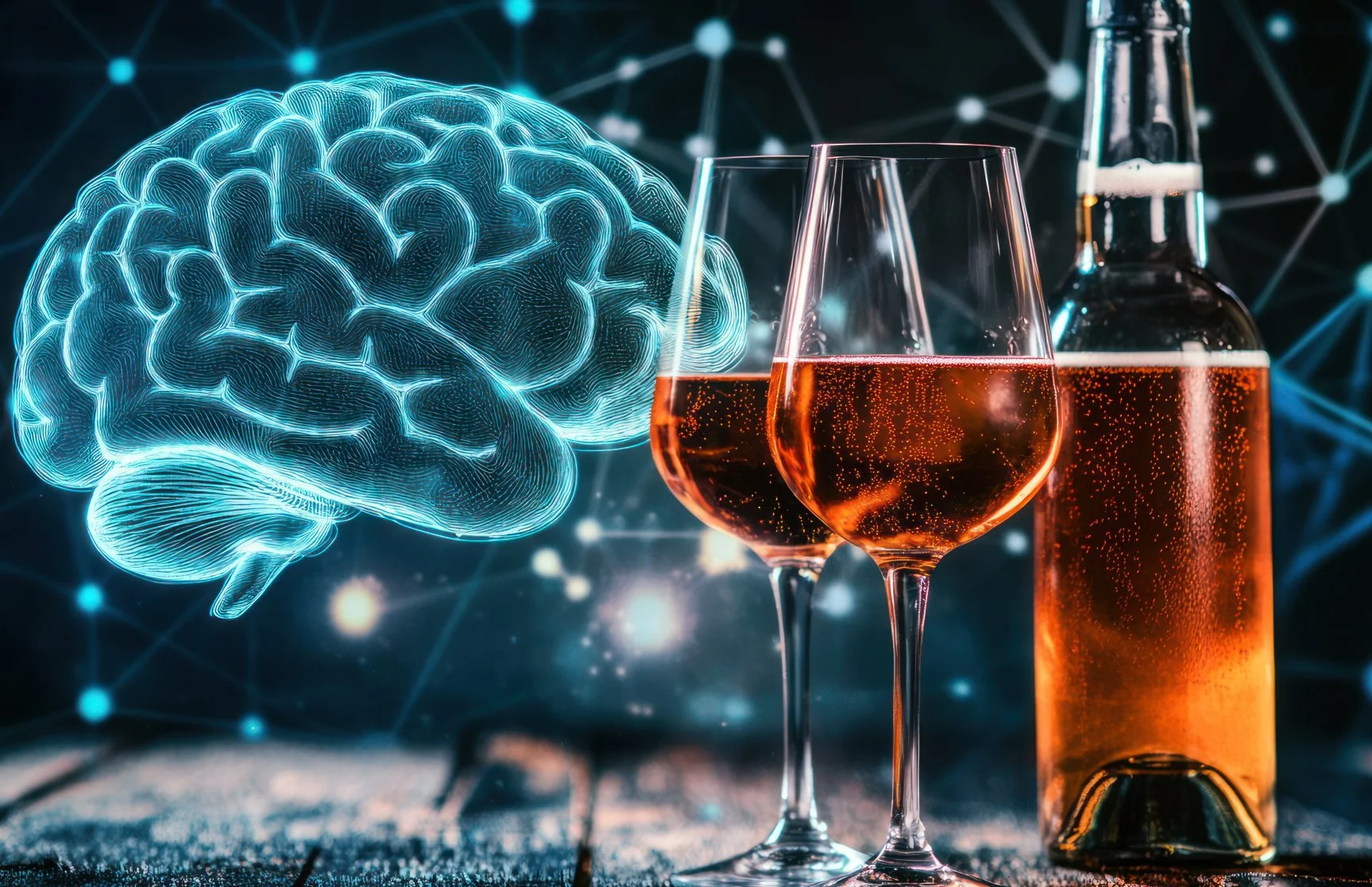
Chronic drunk driving often reflects more than poor judgment. It can be tied to alcohol misuse, denial, or untreated mental health concerns. Someone who repeatedly chooses to drink alcohol and drive may also be struggling with impulse control, stress, or dependency.
If your loved one has already experienced a DUI, required installation of an ignition interlock device, or is facing license suspension, it may be time to look beyond the legal system and toward meaningful change.
That’s where Intervention Help comes in.
Intervention: A Powerful Step Toward Change
If someone you care about is becoming a repeat impaired driver, don’t wait for another close call. A professional intervention can bring clarity, accountability, and a structured plan for treatment.
At Intervention Help, we specialize in compassionate, non-confrontational interventions designed to help individuals recognize the consequences of their actions and accept support. Our team works closely with families to:
Address dangerous patterns like repeated drunk driving
Encourage safer choices before tragedy strikes
Guide individuals toward treatment when alcohol use is out of control
Reducing drunk driving isn’t just about punishment. It’s about helping people make lasting changes that protect their lives—and the lives of others.
Take the Next Step
If you are searching for how to reduce drunk driving because someone you love is at risk, you do not have to handle this alone. And if you’re desperately trying to figure out how to stop drunk driving before something irreversible happens, now is the time to act.
Intervention Help provides professional intervention services designed to interrupt dangerous behaviors like impaired driving and connect individuals with the support they need.
Reach out today. Let our experienced team help you protect your family, prevent tragedy, and take meaningful steps toward lasting change.
FAQs
-
Yes, even one shot of alcohol can impair judgment and reaction time. Alcohol begins to affect coordination and decision-making almost immediately, and many people underestimate how quickly their blood alcohol concentration rises. For some individuals, it may take far less than they expect to become legally intoxicated.
-
If guests leave your home after drinking, you could face liability depending on the laws in many states. The safest choice is to step in before someone who is intoxicated gets behind the wheel. Offering a safe ride home or arranging alternative transportation can prevent tragedy and protect everyone involved.
-
Before the party begins, plan ahead. Arrange designated drivers, rideshare credits, or group transportation options. Encouraging a safe ride home removes the pressure for someone to make a risky decision when alcohol has begun to affect their judgment.
-
Alcohol does not impact everyone the same way. Body weight, metabolism, gender, medications, and other factors influence how quickly someone becomes intoxicated. For some, even half the amount another person consumes can lead to significant impairment.
-
In many states, social host liability laws hold people accountable if an intoxicated guest causes harm after leaving their event. Understanding local laws and taking responsibility for transportation plans can reduce risk and promote safety.
-
Once someone is impaired, their ability to think clearly is already compromised. Having transportation arranged in advance—whether that’s a designated driver, rideshare, or other safe ride home solution—prevents last-minute decisions that could end in injury or loss of life.