
Kratom Addiction Signs: What to Look For and How to Get Help
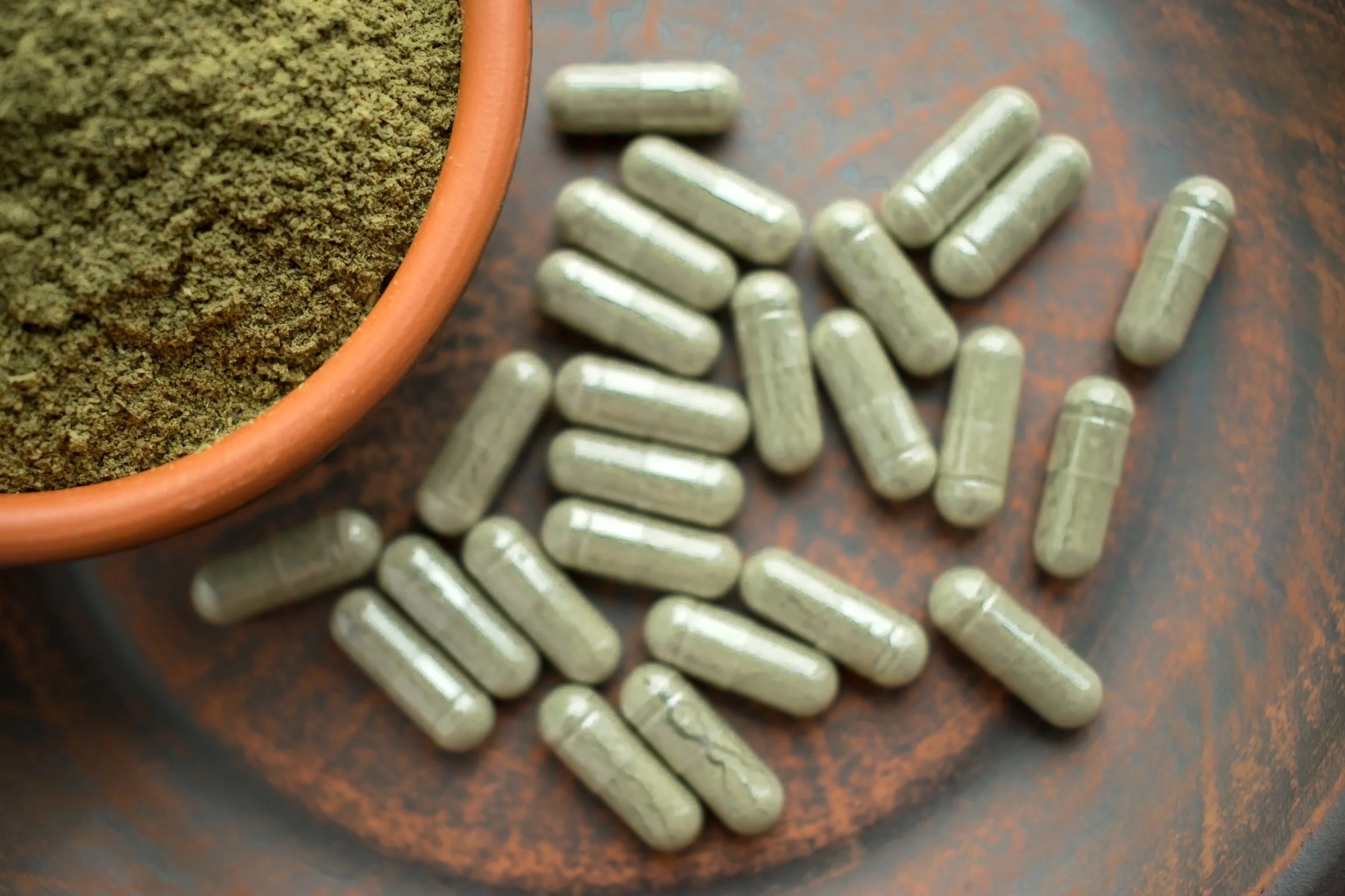
Kratom is often marketed as a natural remedy for pain, anxiety, and fatigue—but what starts as a “harmless” herbal extract can spiral into something much more dangerous. For some people, regular kratom use becomes an ongoing struggle with physical dependence, serious withdrawal symptoms, and a need for professional intervention.
If you or a loved one is showing signs of kratom addiction, Intervention Help is here to guide you toward a path of healing. We offer compassionate, effective intervention services that can help families break the cycle and take the first steps toward recovery.
What Is Kratom and Why Is It Addictive?
Kratom is a psychoactive drug derived from the leaves of the Mitragyna speciosa tree. While it may seem like a safer alternative to opioids, kratom acts on the same opioid receptors in the brain—meaning that kratom can produce stimulant effects at lower doses and sedative, opioid-like effects at higher doses. Over time, regular kratom users can develop kratom dependence and begin to experience withdrawal symptoms if they try to quit.
When Sobriety Gets Complicated: Kratom and the Risk of Relapse
For many who have found sobriety from alcohol or other drugs, kratom can appear to be a harmless alternative—a “natural remedy” that doesn’t seem to count as a drug. But this perception can be dangerously misleading. Again, kratom acts on the same opioid receptors as drugs like heroin or prescription painkillers, and regular use can quickly spiral into dependence. We've worked with many individuals who unknowingly jeopardized their hard-earned recovery by turning to kratom, thinking it was safe. If you or someone you love has relapsed—or is on the verge—we want you to know you're not alone. Intervention Help offers compassionate, judgment-free support to help get you back on track and reclaim your recovery.

Kratom Addiction Signs to Watch For
Recognizing kratom addiction signs early is key to getting the right support. Here are the most common red flags:
Cravings for kratom or using it more often than intended
Increasing dosage to feel the same effects
Using kratom to relieve pain, stress, or emotional discomfort
Isolation from family or work responsibilities
Physical symptoms like high blood pressure, nausea, or insomnia
Mood swings, anxiety, or depression
People experiencing kratom addiction may also show behavioral changes that mimic drug abuse or alcohol dependence, such as secrecy, financial trouble, or social withdrawal.
Understanding Kratom Withdrawal
Kratom withdrawal can be intense, especially for long-term users. Symptoms may include:
Muscle aches and tremors
Irritability, restlessness, or anxiety
Sleep disturbances
Sweating and chills
Nausea or vomiting
Because kratom withdrawal shares similarities with opioid withdrawal, professional support is often necessary to manage the detox process safely. The Drug Enforcement Administration has flagged kratom as a substance of concern due to its increasing misuse, especially when combined with other drugs or alcohol.
How Kratom Affects the Body
Long-term kratom addiction can lead to a host of physical and mental health issues. Higher doses can impair cognition, increase the risk of high blood pressure, and even result in serious side effects that require emergency care. According to poison control centers across the U.S., reports of kratom-related incidents are rising—especially among individuals using kratom as a recreational drug.
Treatment of Kratom Addiction
The treatment of kratom addiction often mirrors that of opioid addiction. Interventions, structured detox programs, therapy, and medications like buprenorphine naloxone may be used to manage symptoms and reduce cravings. However, a successful outcome starts with acknowledging the problem—and sometimes, that takes a loving but firm intervention.
How Intervention Help Can Support You
If you’ve noticed kratom addiction signs in a loved one—or if you’re struggling yourself—Intervention Help is here to stand beside you. Our expert team offers thoughtful, nonjudgmental intervention services to help individuals find the courage to seek treatment. Whether you're trying to quit kratom, cope with withdrawal symptoms, or explore lasting recovery options, we’re here to walk with you every step of the way.
We understand the pain, fear, and frustration that often come with substance use. That’s why our approach is deeply human, family-centered, and solution-focused.
Ready to take the next step? Reach out today. You'll be surprised at how much can change with a simple phone call.
FAQs About Kratom Interventions
-
Kratom abuse happens when someone uses the herbal substance in ways that are harmful to their health or daily functioning. While some may initially use kratom to relieve pain or manage stress, repeated misuse can lead to dependence and serious physical and psychological effects. Over time, kratom abuse can mirror the patterns of other types of drug or alcohol misuse and may require professional intervention and addiction treatment.
-
Yes. Medical professionals play a critical role in identifying kratom addiction and guiding safe, evidence-based recovery. From managing withdrawal symptoms to developing a personalized treatment plan, their support can reduce risks and improve outcomes. Intervention Help works closely with families and clinicians to encourage individuals to seek professional help when kratom use becomes concerning.
-
Kratom can produce a feeling of decreased pain because it acts on the brain’s opioid receptors. However, this effect is short-lived and comes with serious risks. As tolerance builds, users may need larger doses to achieve the same result, increasing the likelihood of dependency. What starts as a way to manage discomfort can quickly turn into a harmful pattern that mimics opioid use and requires formal treatment.
-
The Food and Drug Administration (FDA) has not approved kratom for any medical use and has issued warnings about its potential for abuse, addiction, and even death. They have raised concerns about contamination, false marketing, and the lack of regulation surrounding this substance. If someone is relying on kratom to function or cope, it’s important to seek professional guidance.
-
Although kratom is often marketed as a natural supplement, its impact on the brain is similar to that of opioids. Both substances activate the same receptors and can lead to physical dependence, withdrawal symptoms, and long-term health complications. Because of this, the treatment of kratom addiction often mirrors that of traditional opioid use disorder.
-
If a loved one is using kratom alongside other substances or as a substitute for opioids or alcohol, it could indicate a deeper struggle with substance use. Kratom can easily become part of a larger pattern of drug or alcohol dependence. An intervention might be the turning point they need. Intervention Help can support families in creating a safe, structured plan to guide someone toward addiction treatment.