

Cocaine Intervention: How to Help a Loved One Before It's Too Late
Quick Answer: A cocaine intervention is a structured conversation that helps someone understand how their drug use is affecting their health, relationships, and future while encouraging them to accept treatment. Effective interventions require preparation, clear communication, appropriate boundaries, and a treatment plan that is ready if the person agrees to get help.
At Intervention Help, we guide families through this process with a respectful, non-confrontational approach focused on trust and practical next steps. If cocaine use is putting someone you love at risk, contact us to discuss how we can help.

When Does Someone Need a Cocaine Intervention?
A cocaine intervention may be appropriate when someone continues using despite serious consequences or repeatedly refuses help.
Warning signs that could merit a cocaine addiction intervention may include:
Escalating use
Secrecy
Financial problems
Missed responsibilities
Behavioral changes
Relationship difficulties
Risky decisions
Unsuccessful attempts to stop
Families do not need to wait for a loved one to reach “rock bottom” before seeking professional guidance.
How Does a Cocaine Intervention Work?
Cocaine interventions work by preparing the family for a focused conversation and establishing a path into treatment before the meeting occurs.
We begin by learning about the person, their substance use, family relationships, previous treatment, and other circumstances that may affect the intervention. We then prepare participants, discuss boundaries, anticipate possible outcomes, and identify appropriate treatment options.
Our approach emphasizes engagement rather than confrontation. We use evidence-based methods including ARISE (A Relational Intervention Sequence for Engagement) and other strategies designed to respect the individual's autonomy and encourage participation in recovery.

What if My Loved One Refuses Treatment?
A refusal does not mean your family has run out of options.
Our cocaine abuse intervention services prepare families for both acceptance and refusal. If a loved one says no, we can help establish healthier boundaries, improve communication, address behaviors that may unintentionally support continued use, and determine appropriate next steps.
Why Can Cocaine Use Require Immediate Action?
Cocaine use can create serious health and safety risks, especially when use escalates or multiple substances are involved.
If someone experiences chest pain, seizures, difficulty breathing, loss of consciousness, or symptoms of a possible overdose, call 911. That said, a family intervention for cocaine abuse should never replace emergency medical treatment.
How Intervention Help Can Support Your Family
We can support your family before, during, and after the intervention rather than treating one conversation as the entire solution.
Our heart-based services include:
Professional interventions
Family coaching
Treatment coordination
Transportation
Sober companion support
Relapse response
Continued recovery planning
Our goal is to create a coordinated strategy based on the individual and family's needs.
Who Is the Intervention Help Team?
Our team brings decades of experience in addiction treatment, mental health, intervention services, case management, and family support.
Led by founder Stacy Plaisance, our team includes experienced behavioral health professionals, social workers, recovery specialists, and individuals with lived recovery experience.
We are practitioners supporting your family who understand both the clinical side of addiction and the real-world challenges families face when a loved one needs help. Whether you are learning how to repair a relationship damaged by substance abuse, need relapse recovery assistance, or feel it’s time for professional intervention, we can help on many different levels. abuse, need relapse recovery assistance, or feel it’s time for professional intervention, we can help on many different levels.

Stacy Plaisance
Founder & Interventionist

Mikayla Stone
Director of Growth and Strategy

Jill Malone
MA, MSW, LSWAIC, SUDP, CMHS
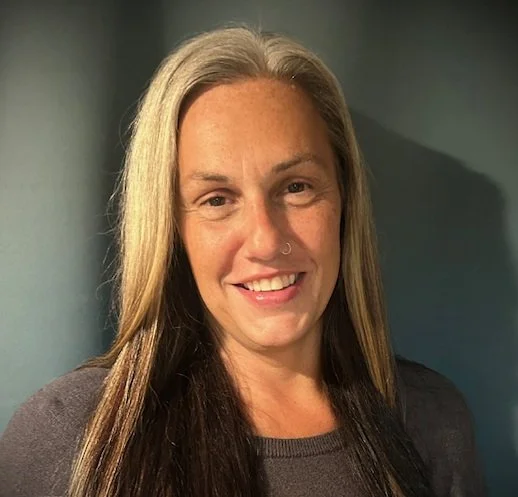
Katie Mann
11 years in long-term recovery

John-Paul Sharp
BS, SUDP, CCTP, NCAC II

Steve Buchanan
Recovery Advocate & Creative Partner

Mark Beebe
Recovery and Outcomes Specialist

Billie
Service Animal
Where Do We Provide Cocaine Intervention Services?
We provide professional intervention services in:
Our headquarters are in Seattle, but families do not need to be local to contact us. If you are outside the areas we typically serve, we may still be able to help or connect you with a trusted professional closer to home.
What Our Clients Are Saying
Get Professional Support for a Cocaine Intervention
You do not have to wait for another crisis to start taking action.
If someone you love is struggling with cocaine, alcohol, opioids, prescription drugs, or another substance, contact Intervention Help today. We can listen to what is happening, explain your options, and help you develop a practical plan to move your loved one toward treatment.
FAQs About Cocaine Interventions
-
Timing depends on the situation, family, location, and treatment needs. We can begin by assessing the circumstances and determining what preparation is necessary.
-
That depends on the strategy being used. Our approach prioritizes engagement and trust over unnecessary surprise or deception.
-
Participants should generally be people with a meaningful relationship to the individual who can communicate calmly and follow the agreed-upon plan.
-
Yes. You do not need an admission before seeking professional guidance when concerning behaviors and consequences are already present.
-
Yes. Previous treatment may mean the next cocaine intervention and treatment plan needs to address what did not work before.
-
Yes. We can help evaluate treatment options based on clinical needs, circumstances, and the goals established during the intervention process.
-
Yes. We regularly work with families dealing with complex substance use involving more than one drug or co-occurring behavioral health concerns.
-
Yes. Depending on the situation, we can provide family coaching, case management, monitoring, transportation, recovery support, and continued coordination.