

Heroin Intervention: How To Help a Loved One Struggling
Quick Answer: A heroin intervention is a structured conversation designed to help someone recognize the seriousness of their opioid use and consider professional treatment. It can also give family members a clear plan for communicating concerns, establishing boundaries, and responding to continued drug use.
The team at Intervention Help helps families approach these conversations with preparation, compassion, and a strategy focused on building trust. If someone you love is struggling with heroin or other drugs, contact us to discuss how we can help your family move toward treatment.

When Is a Heroin Intervention Necessary?
A heroin addiction intervention may be appropriate when drug use continues despite serious consequences or your loved one repeatedly refuses help. Warning signs can include unsuccessful attempts to stop, withdrawal symptoms, increasing tolerance, changes in behavior, financial problems, isolation, missed responsibilities, or previous overdoses.
You do not need to wait until someone reaches a perceived “rock bottom.” When heroin use is affecting a person's health, safety, relationships, or ability to function, our team can help determine what steps make sense.
How Does a Heroin Intervention Work?
A heroin intervention works by creating a planned opportunity for family members and other important people to communicate their concerns and offer a path toward treatment. We prepare the family beforehand so the conversation remains focused, respectful, and productive.
Our approach emphasizes trust rather than surprising, tricking, or forcing someone into a meeting. We help families plan the intervention, prepare for different responses, identify appropriate treatment options, and decide what happens post-intervention.

What Happens if Someone Refuses Help During a Heroin Intervention?
If your loved one refuses treatment, the intervention can still establish important boundaries and change how the family responds to their addiction. We help families avoid returning immediately to patterns that may unintentionally make continued substance use easier.
Refusal does not necessarily mean the opportunity for treatment is over. We can help your family determine appropriate next steps, maintain communication, and remain prepared when your loved one becomes willing to accept help.
Why Heroin Addiction May Require Immediate Intervention
Heroin addiction may require immediate action because opioid overdose can dangerously slow or stop breathing and may result in death. Illicit heroin may also contain fentanyl, significantly increasing the unpredictability of what a person is taking.
If someone cannot be awakened, has very slow or stopped breathing, makes choking or gurgling sounds, or appears to be overdosing, call 911 and administer naloxone if it is available. Heroin intervention services are not a substitute for emergency medical care.
How We Help Families With Heroin Addiction
We support families by bringing structure, professional guidance, and a clear plan to an overwhelming situation. Our services extend beyond heroin abuse interventions and can include:
Family coaching
Case management
Treatment placement guidance
Transportation
Sober companion services
Ongoing recovery support
We also understand that addiction rarely affects only the person using drugs. Our goal is to help the entire family build healthier communication, set appropriate boundaries, and create a practical path forward.
Meet Our Professional Team
Our team is led by Stacy Plaisance, a nationally recognized interventionist whose behavioral health career began in 2004. Stacy became a Substance Use Dependency Professional in 2005 and holds an MBA in Healthcare Management.
Our broader team brings experience in substance use disorders, mental health, social work, trauma, recovery support, family services, and behavioral health leadership.

Stacy Plaisance
Founder & Interventionist

Mikayla Stone
Director of Growth and Strategy

Jill Malone
MA, MSW, LSWAIC, SUDP, CMHS
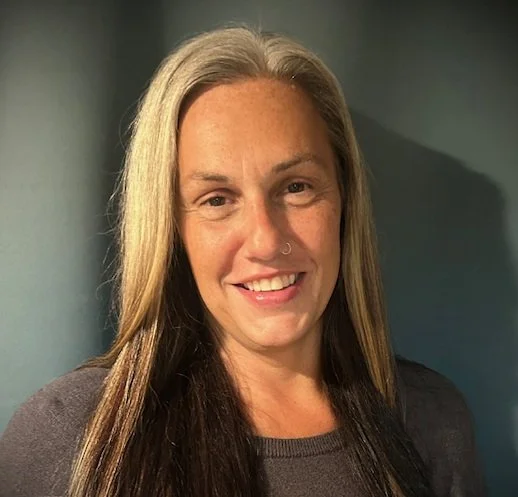
Katie Mann
11 years in long-term recovery

John-Paul Sharp
BS, SUDP, CCTP, NCAC II

Steve Buchanan
Recovery Advocate & Creative Partner

Mark Beebe
Recovery and Outcomes Specialist

Billie
Service Animal
Where We Provide Heroin Intervention Services
Our headquarters are in Seattle, and we provide intervention services throughout the Pacific Northwest, Northern California, and surrounding regions.
We provide professional intervention services in:
If you live elsewhere and need heroin addict intervention assistance, call us. We can discuss your situation and determine how we may be able to help, including connecting you with appropriate resources when necessary.
What Our Clients Are Saying
Get Help With a Heroin Intervention Today
You do not have to figure out how to confront heroin addiction on your own. We can help you understand what is happening, prepare your family, plan a solid heroin intervention, and identify the next appropriate level of care.
Contact Intervention Help today for a confidential conversation about your loved one. Whether they are struggling with heroin, opioids, alcohol, or another drug, we can help your family take meaningful action toward treatment and recovery.
FAQs About Heroin Interventions
-
You can, but heroin addiction can involve complicated medical, emotional, and family dynamics. Professional guidance can help families prepare for resistance, maintain boundaries, and have treatment options ready.
-
Participants should generally be people who have a meaningful relationship with the person and can communicate calmly and constructively. We help determine who should be involved.
-
It depends on their age, relationship, emotional well-being, and the specific circumstances. We can help families decide whether participation is appropriate.
-
Avoid insults, threats you cannot enforce, arguments about past behavior, and statements intended to shame the person. The conversation should remain focused on specific concerns and solutions.
-
Whenever possible, having an appropriate treatment plan prepared can make it easier to act quickly if your loved one agrees to receive help.
-
Yes. An overdose may create an important opportunity to discuss treatment once the person is medically stable.
-
Yes. We can help you evaluate the behaviors you are seeing and determine whether an intervention or another approach is appropriate.
-
We understand that privacy can be extremely important to families, professionals, and people in the public eye. We approach intervention planning with discretion and respect for everyone involved.